Creating a comfortable and productive home office space is essential for anyone working or studying from home. A thoughtfully designed workspace can improve focus, reduce stress, and increase overall job satisfaction. Whether you have a small corner or an entire room to dedicate, these tips will help you make the most of your home office.
Choose the Right Location
Start by selecting a space that suits your needs and lifestyle. Consider the following:
– Natural light: Position your desk near a window to take advantage of natural light, which can boost mood and energy.
– Quiet environment: Choose a spot away from household noise or distractions.
– Privacy: If possible, find a location where you won’t be interrupted during calls or focused work time.
Invest in Ergonomic Furniture
Comfort is key to maintaining productivity over long hours. Ergonomic furniture helps prevent discomfort and health issues.
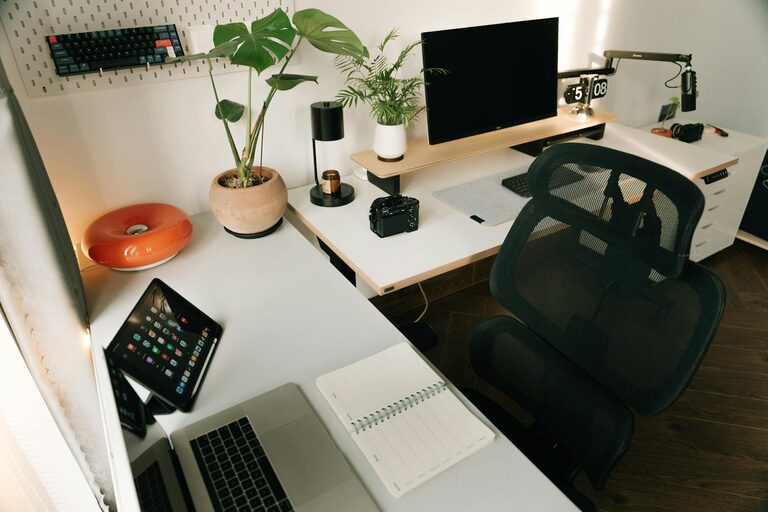
– Ergonomic chair: Select a chair that supports your lower back, allows your feet to rest flat on the floor, and can be adjusted to your height.
– Desk height: Ensure your desk is at a comfortable level so your arms can rest naturally while typing or writing.
– Keyboard and mouse placement: Use accessories that reduce strain, holding your wrists in a neutral position.
Optimize Lighting
Good lighting reduces eye strain and fatigue. Here’s how you can optimize your home office lighting:
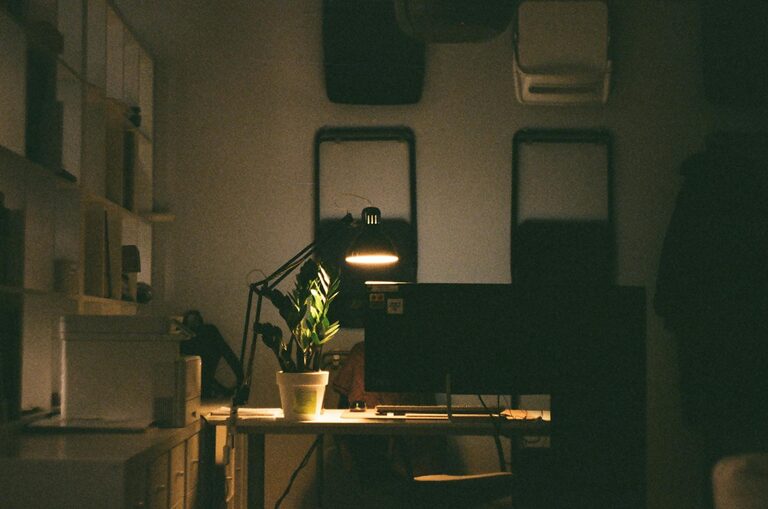
– Layered lighting: Combine natural light with task lighting such as desk lamps and ambient light.
– Adjustable lamps: Use lamps with adjustable brightness and direction to suit different tasks.
– Avoid glare: Position screens and light sources to reduce glare and reflections.
Declutter and Organize
A tidy workspace promotes focus and calm. To keep clutter under control:
– Storage solutions: Use shelves, drawers, and organizers for paperwork and supplies.
– Minimal desktop items: Keep only essential items on your desk.
– Cable management: Use clips and ties to organize cords, preventing tangles.
Personalize Your Space
Adding personal touches can make your workspace more inviting and motivating:
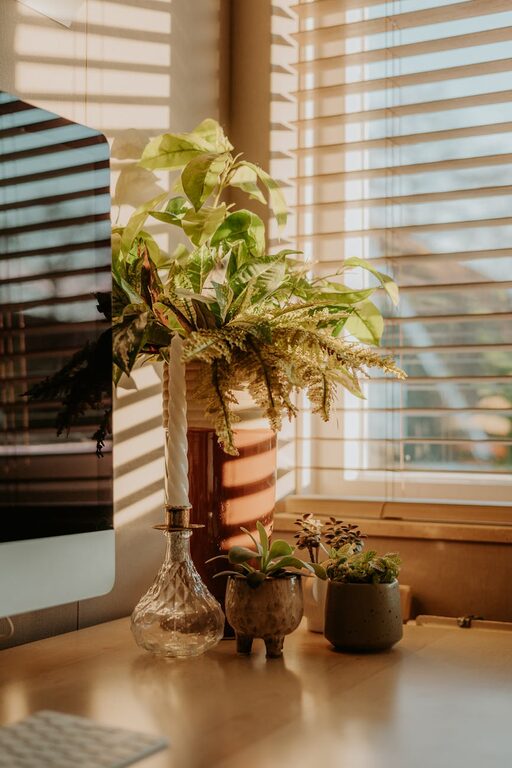
– Plants: Indoor plants improve air quality and add a touch of nature.
– Artwork: Hang prints or photos you enjoy.
– Comfort items: Include a cozy blanket or a scented candle to create a relaxing atmosphere.
Set Boundaries and Routine
To maintain productivity at home, clear boundaries and routines are important:
– Dedicated work hours: Set specific start and end times for your workday.
– Breaks: Schedule regular breaks to stretch and rest your eyes.
– Separate work and leisure: When possible, avoid working in spaces where you relax or sleep.
Use Technology Wisely
Equip your home office with the right technology to stay connected and efficient:
– Reliable internet: Ensure your connection is fast and stable.
– Headphones or speakers: Use quality audio equipment for virtual meetings.
– Backup power: Consider a UPS (uninterruptible power supply) for preventing work loss during outages.
Incorporate Movement
Sitting too long can hinder productivity and health. Encourage movement by:
– Standing desks: Use adjustable desks that let you switch between sitting and standing.
– Stretch reminders: Set alarms to remind you to stretch or walk around.
– Exercise equipment: Keep small equipment like resistance bands nearby for quick activity.
Conclusion
Designing a comfortable and productive home office doesn’t require a large budget or complex makeover. By strategically choosing your space, investing in ergonomic furniture, managing lighting and organization, and setting clear routines, you can create an environment that supports your best work. Remember, your workspace should reflect your personal needs and preferences while promoting focus and well-being. Try incorporating these tips to transform your home office into a place where you enjoy spending time and achieving your goals.

Related Posts