Creating a relaxing home workspace is essential for maintaining focus, boosting productivity, and reducing stress while working from home. Whether you have a dedicated room or just a small corner, thoughtful design and organization can make a big difference in how you feel throughout the workday. Here are some helpful tips to transform your workspace into a calm and inviting environment.
Choose the Right Location
Consider Natural Light
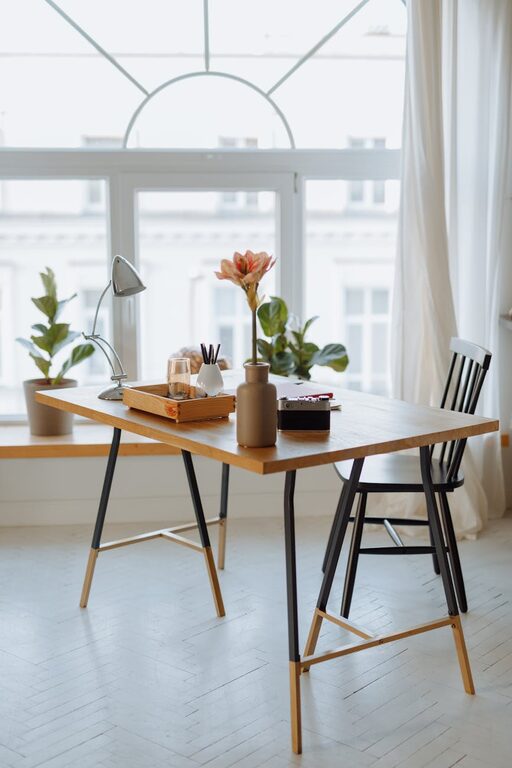
Placing your workspace near a window allows you to benefit from natural light, which can improve mood and energy levels. If natural light is limited, use soft white bulbs to create a warm and comfortable atmosphere.
Find a Quiet Spot
Noise distractions can disrupt your concentration. Try to select a space away from busy areas in your home. If that’s not possible, noise-cancelling headphones or a white noise machine can help create a peaceful environment.
Invest in Comfortable Furniture
Ergonomic Chair and Desk
Comfort is key when working for long hours. Choose an ergonomic chair that supports your lower back and a desk at the proper height. This helps reduce strain and promotes good posture.
Add Personal Touches
Incorporate a few personal items like a small plant, framed photos, or artwork. These can make your space feel welcoming without cluttering it.
Keep Your Workspace Organized
Use Storage Solutions
Decluttering your workspace can reduce stress and help you stay focused. Utilize shelves, drawers, or containers to keep supplies organized and out of sight.
Maintain a Clean Surface
Try to keep your desk surface clean and clear of unnecessary items. A tidy space encourages a clear mind and better productivity.
Incorporate Calming Elements
Add Greenery
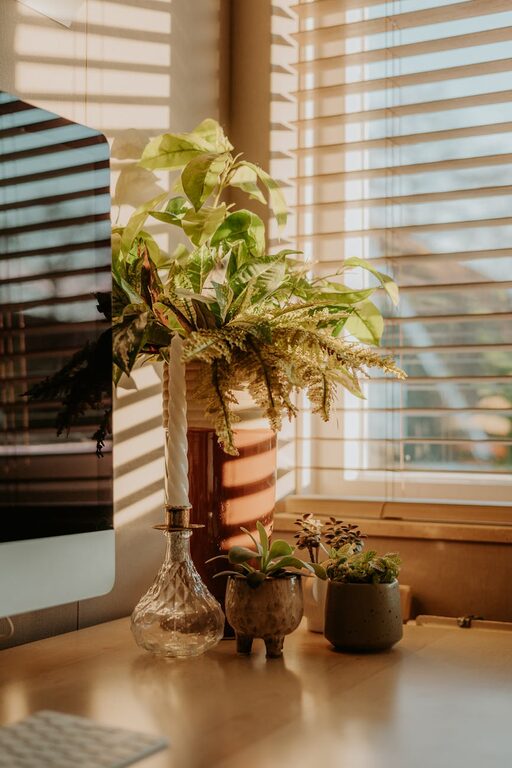
Plants not only improve air quality but also create a soothing effect. Choose low-maintenance plants like succulents or pothos to brighten your space.
Use Soft Colors
Colors can influence mood. Soft hues like light blues, greens, or neutrals tend to create a calming atmosphere compared to bright or dark tones.
Manage Technology Wisely
Minimize Cable Clutter
Organize cords with cable ties or clips to prevent tangling and distractions.
Set Up Proper Lighting for Screens
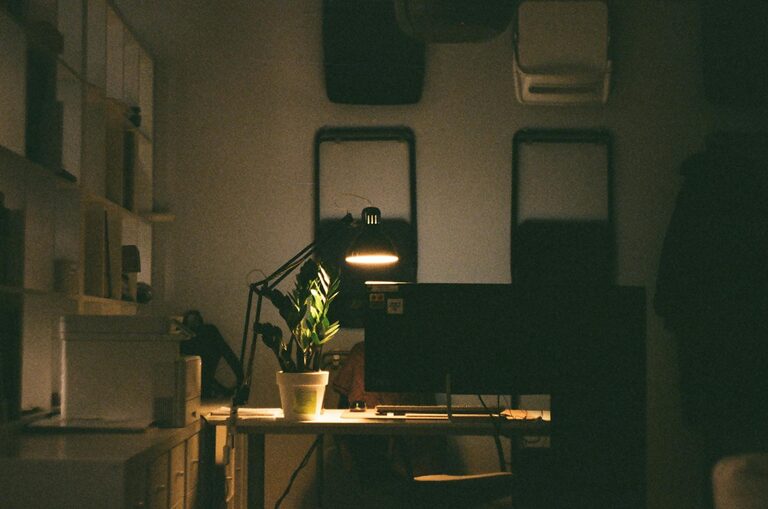
Blue light from screens can cause eye strain. Consider using adjustable desk lamps or screen filters to reduce glare.
Create a Routine and Boundaries
Define Work Hours
Set regular work hours to create a clear separation between work and relaxation time. This helps prevent burnout and encourages better focus when working.
Take Regular Breaks
Incorporate short breaks to stretch, breathe, or walk around. This refreshes your mind and body, making it easier to stay relaxed and productive.
Personalize Your Workspace with Scent and Sound
Use Essential Oils or Candles
A gentle fragrance like lavender or eucalyptus can promote relaxation. Use essential oil diffusers or unscented candles for a subtle effect.
Play Background Music
Soft instrumental music or nature sounds can help improve concentration and reduce stress. Choose what works best for you to maintain a pleasant work environment.
Final Thoughts
Designing a relaxing home workspace doesn’t require a big budget or extensive renovations. By focusing on comfort, organization, lighting, and personal touches, you can create a space that enhances your well-being and productivity. Remember that your workspace should reflect your preferences and support your work style, making every day more enjoyable.
—
With these tips, you are well on your way to building a workspace that feels both relaxing and efficient. Happy decorating!

Related Posts